













We often talk about how hair changes over the course of life, but what about how we feel about it and care for it as we enter the later stages of life?
This expert-led guide explores how hair changes with age, the importance of haircare for older adults, the best hairstyles for women over 60, and practical tips for families and professionals to create calmer, more inclusive haircare experiences.
The importance of haircare in later life
As our hair naturally changes with age, simple adjustments in cut, style, and care can help maintain comfort and a distinct sense of self.
For people living with dementia, haircare matters far more than just for appearance. Introducing simple, familiar routines can support comfort, dignity, and a sense of self. Small changes, like brushing at the same time each day, using a favourite scent, or choosing an easy-to-manage style, can also help to reduce stress and make care feel calmer and more intentional.
Common hair changes in older adults
As we age, our hair and scalp go through natural shifts. Although these changes can feel uncomfortable, the right approach makes it possible to handle them with care, dignity, and ease.
A sensitive or painful scalp
The scalp changes dramatically with age and some may experience scalp allodynia, where the scalp becomes painful to touch. For those experiencing this condition, styling can be very uncomfortable, even when styling with just a hairbrush.
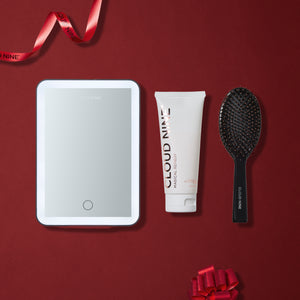
Top tip: Opt for hairbrushes with gentle bristles, like the Luxury Dressing Brush, and avoid tight hairstyles like ponytails or buns.
Worsened scalp conditions
Dandruff, eczema, psoriasis, and fungal infections can occur at any age, but may be exacerbated in older people if their scalp is painful, sensitive, or if washing becomes difficult or uncomfortable.
Top tip: Try less frequent washes with a gentle scalp refresh spray or dry shampoo designed especially for sensitive scalps.
Thinning and hair loss
As we age, hair may start to appear finer, and the scalp may become more visible, typically beginning around the parting and sides of the hair. With hair follicles starting to shrink from your mid-40s, it's no surprise that 70% of women over the age of 70 experience some form of thinning or hair loss.
Always speak to a pharmacist or GP if hair loss is sudden, patchy, or accompanied by a painful scalp or irritation, as there are effective treatments and underlying causes that can be addressed.
Top tip: Run a pea-sized amount of Magical Remedy through the hair to make hair appear visibly thicker, hydrated, and repaired.
Read our expert haircare tips for every stage of life.
Next, we’ll explore why haircare can become more challenging as we age, and how to make styling easier and more respectful for everyone involved.
Sitting down with elderly care specialist, Victoria Chappell
After more than 30 years working in care homes and with clients living with dementia, we asked specialist stylist, Victoria Chappell, what families and professionals should know about age-inclusive haircare.
Why is hair so important during older stages of life?
Victoria: “Hair is often one of the last elements of identity a person holds onto. When everything else feels out of control, feeling like themselves – even for one day – provides comfort and dignity.”
What advice would you give families navigating this journey?
Victoria: “Be open. Bring photographs of how they used to look. Tell me about their profession, their life, their personality. It gives me conversation points and helps me to recreate something familiar. Routine is so important, and for many of my clients, hair day is still a ritual.”
Can you share a client story that highlights the importance of elderly hair care?
Victoria: “Yes, a lady called Barbara. She worked in television and used to have a real Charlie’s Angels blow dry in the ‘70s. She’s now mostly in bed and asleep, but on her lucid days she’ll say how much better she feels after having her hair done.
We look at old photographs and talk about how she wore it. When we recreate those flicks and that glamour, you can see the recognition. It’s incredibly rewarding.”
What hairstyles work well for elderly clients?
Victoria: “A soft pixie cut with a fringe works is one of my go-to styles as it provides shape and texture without being too severe, but soft bobs also work beautifully. The key is to create something manageable while maintaining glamour and dignity.”
Do references to old Hollywood icons help when styling elderly hair?
Victoria: “I have a 103-year-old client who loves a Ginger Rogers-inspired blow dry and asks for “the magic mousse.” For other clients, when you say something like, “You look like Elizabeth Taylor,” the recognition can be immediate. You can see those memories come flooding back, and they often prompt a lovely conversation.”
How should you approach heat styling on fragile hair?
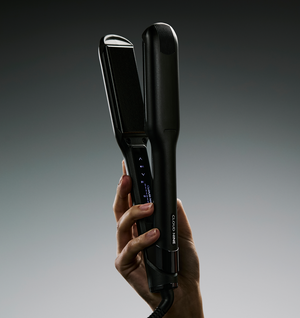
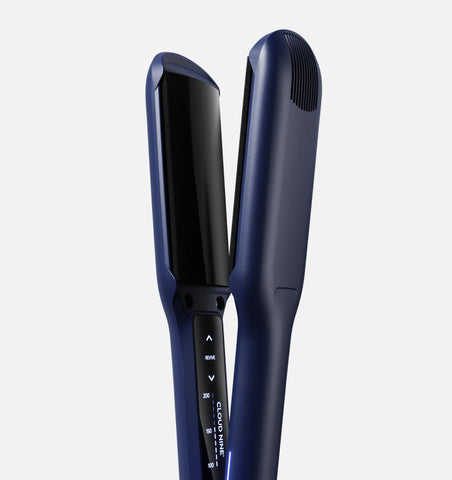
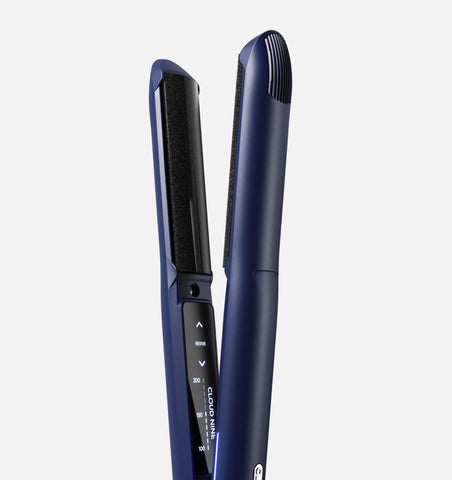
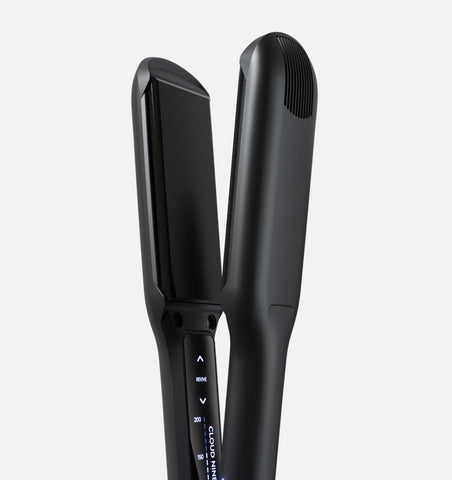
Victoria: “You should use a very low heat. The scalp changes dramatically with age and many older clients experience scalp allodynia, where the scalp becomes painful to touch. Tools with adaptable temperature are essential, which is why I love using Cloud Nine.”
Frequently asked questions about elderly hair care
How can I find a stylist experienced in dementia care?
Look for mobile hairdressers, care-home specialists, or salons that promote calm, inclusive environments, and make sure to ask stylists about their experience working with cognitive decline. Finding local specialists can be tricky, but these steps can help to simplify your search.
How often should older hair be washed?
It depends on the person’s scalp and routine, but for many older adults, washing one to two times a week is enough. Over-washing can dry out both hair and scalp, while a gentle cleanse on a regular schedule can help keep everything comfortable and fresh.
If hair washing becomes difficult, try washing less often, using a hair washing aid with a soft towel to blot dry, and keeping styles low maintenance.
What products are best for ageing hair?
Look for lightweight, hydrating products that won’t leave buildup. Mild shampoos, nourishing conditioners, and multi-purpose sprays like the Cloud Nine Magical Quick Dry Potion can add softness and control. If hair is very fine, use volumising products sparingly to avoid weighing it down.
Can people with dementia still have their hair coloured?
Yes, but services may need adapting. Some older clients aren’t able to handle lengthy appointments or standard washing routines, so lower-upkeep alternatives and quicker service sessions are often a better fit.
If you are colouring hair, we recommend using gentler techniques, like using a colour mousse instead of dyes, and switching on Revive Mode® whenever you’re styling with a straightener.
How can you make salon visits easier for someone with dementia?
Keep appointments short, visit at quieter times, and stick to a familiar routine. Explain each step before you do it, move slowly, and offer simple choices (“Would you like a little more off the ends?”). Familiar, nostalgic music, a warm drink, or a consistent stylist can also help reduce anxiety.
What if a client becomes distressed during their appointment?
Pause and give them space. Sometimes a short break, a change of topic, or letting them hold a brush or mirror can help them feel more in control. If needed, stop and finish another day. Comfort and trust come first.
What temperature is safe for styling elderly hair?
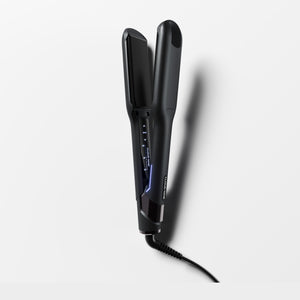
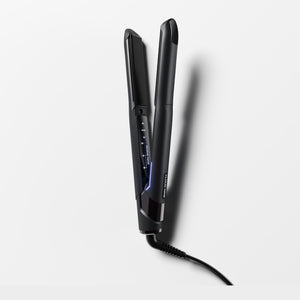
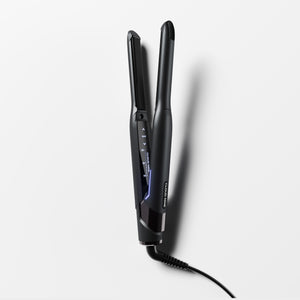
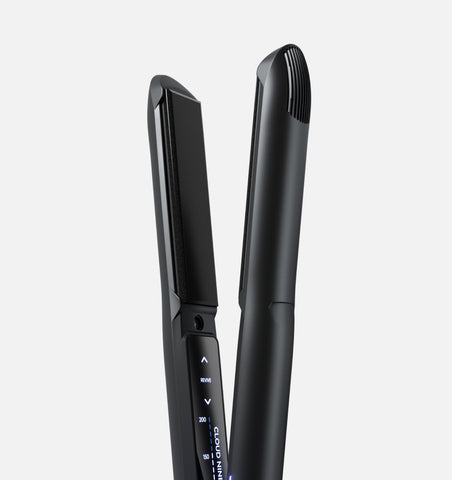
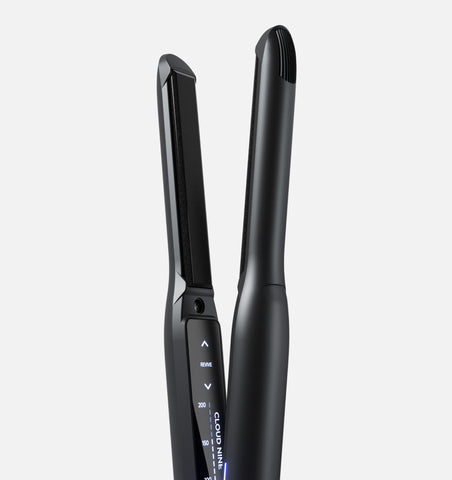
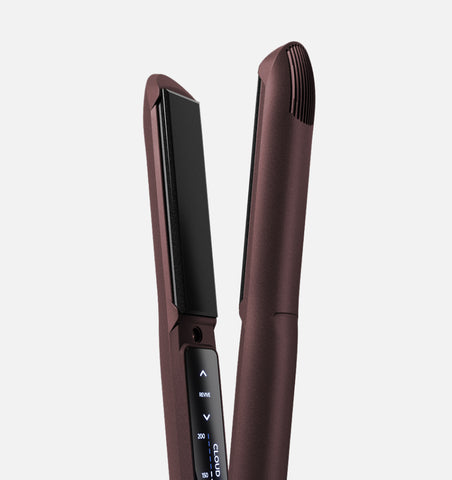
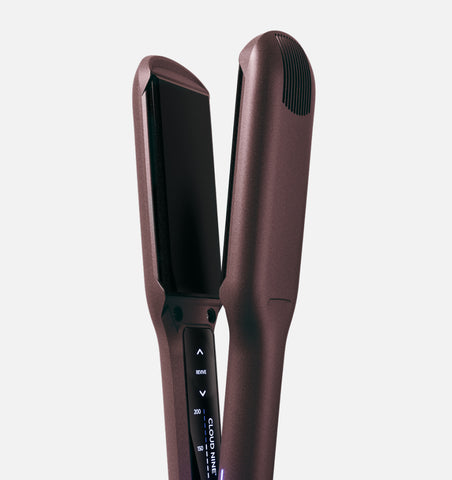
Ageing hair is often more fragile, and the scalp can oftentimes be more sensitive. Using a lower styling heat helps minimise breakage and discomfort while preserving shine and shape. Our straighteners feature 11 temperature settings, between 100°C and 200°C.
While our advice is to never go above 150°C when styling mature hair, we advise heading over to the Temperature Calculator to get a styling heat that's specific to you or your loved one’s hair.
Timeless Hairstyles for Women over 60
Soft Layered Bob
A soft layered bob is the perfect choice for gentle volume and soft face framing, making it the perfect choice for an easy-to-wear mature hairstyle. Better yet, it suits all hair textures, helping to keep mature hair looking elegant and pretty with little effort.
Pixie Cut
The pixie cut is perfect for low-effort styling and highlights facial features, offering a modern and nostalgic style while remaining easy to manage, making it a favourite among women over 60 who want a polished yet effortless look.
Loose Waves
Loose waves are a great choice in bringing softness and natural movement to mature hair. This style keeps hair lively without the need for heavy styling, making it ideal for both casual and special occasions.

You Might Also Like...
- Grey Hairstyles: How to Style and Care for Greying Hair
- 30 Timeless Hairstyles for Every Age and Stage
- 9 Ways to Improve Scalp Health
About the Expert

Victoria Chappell is a Yorkshire-based stylist with over 30 years of experience, specialising in styling for the elderly, ensuring each client feels comfortable, respected, and well-groomed.
We’d love to hear your top tips for caring for elderly hair, along with any personal experiences, helpful routines, or styling ideas that keep hair looking and feeling its best. Share them with us on Instagram, TikTok, or Facebook for a chance to be featured.